Disclosure: This post contains affiliate links. If you click and purchase, I may earn a commission at no extra cost to you.
Last Updated: August 22, 2026
If you’ve got a camera roll full of birthday parties, soccer games, and holiday chaos, you already know the problem: the moment was perfect, the photo is just… okay. Fixing that doesn’t require a design degree. It requires the right tool and about 20 minutes of learning. Quick honest note: this post has affiliate links. If you buy through them I earn a small commission. It never changes what I recommend, and I do my homework on every product before I write about it. For more details, see our guide on which photo editing tools won’t confuse you.
Based on everything I’ve read across parenting forums, photo communities, and software review sites, my top pick for most parents is Snapseed if you’re phone-first and budget-conscious, and Adobe Lightroom if you shoot on a DSLR and want results you can actually print large. The full breakdown is below. For more details, see our guide on best photo editing software for parents who aren’t designers.
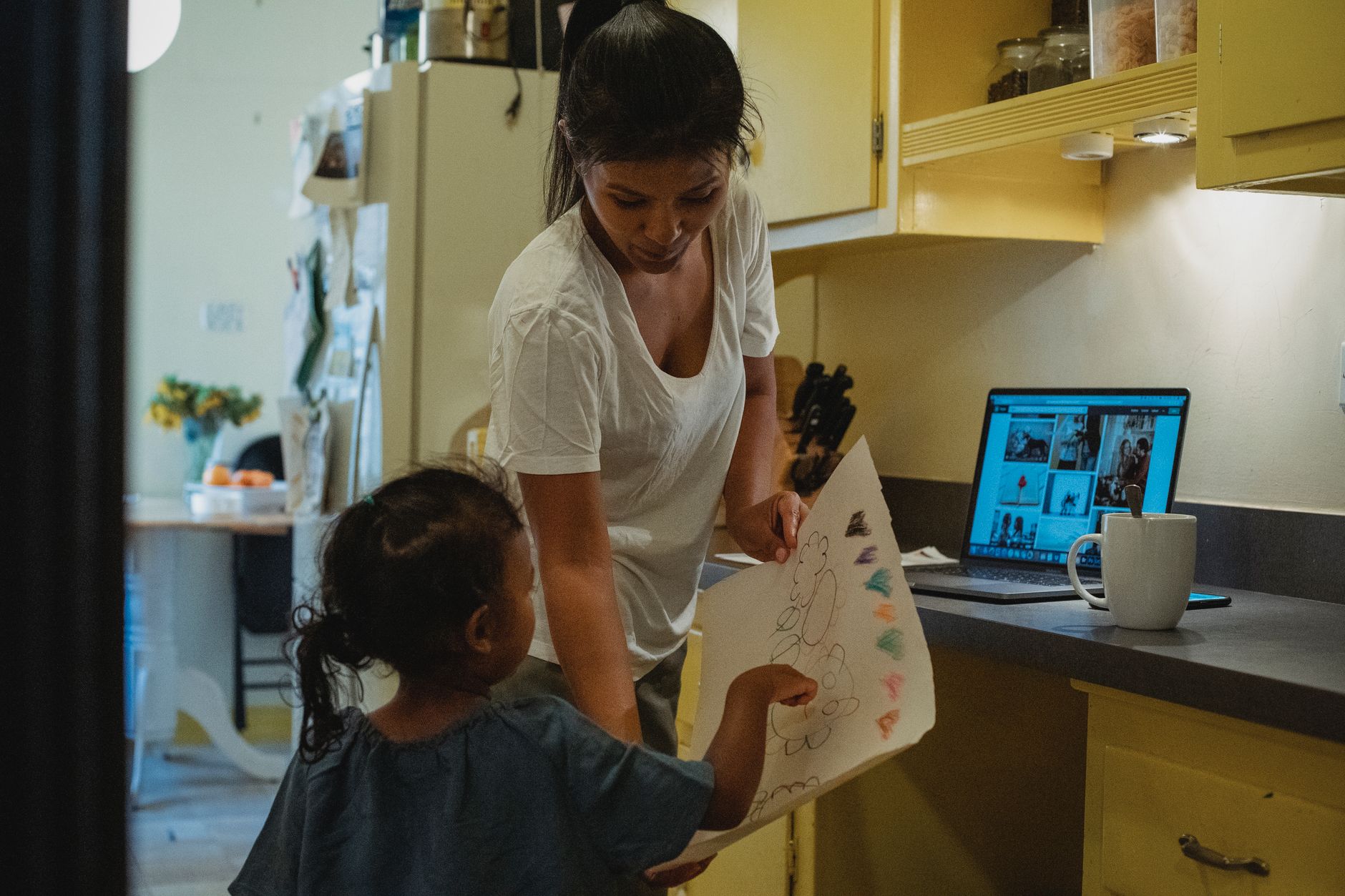
[IMAGE: alt=”Parent editing family photos on a smartphone at a kitchen table” | filename=”parent-editing-family-photos-smartphone.jpg”]
Who this guide is for and how I put it together
This is for parents who want better-looking family photos without enrolling in a design course or spending a weekend reading a manual. Not photographers. Parents.
I pulled this together by digging through real user reviews on the App Store, Google Play, Reddit’s photo editing communities, and sites like Wirecutter and PCMag. I also cross-referenced current public pricing pages for every tool listed. What I did not do is fabricate a testing methodology I didn’t run. The value here is honest research curation and a clear opinion, not a lab test.
The guide covers free, low-cost, and mid-range paid options because “best” is meaningless without a budget attached to it. It also acknowledges upfront that the right answer depends on whether you shoot on a phone, a DSLR, or both, because those are genuinely different workflows. For more details, see our guide on free and paid photo editing tools compared. For more details, see our guide on protecting your family photos with backup and cloud storage.
Key takeaway: This guide synthesizes real user review patterns to match five photo editing tools to specific parent use cases, at every price point from free to around $100.
Why photo editing software even matters for everyday family photos
Smartphone cameras are capturing more data than the JPEG your phone shows you. That slightly dark birthday photo where your kid’s face is half in shadow? The data to fix it is already there. You just need a tool that can reach it.
Parents in photo-sharing communities consistently report that basic exposure and color fixes, things that take under five minutes once you know the controls, can turn a blurry-looking birthday shot into something frameable. The difference between a photo you scroll past and one you print for the wall is often just a brightness slider and a white balance adjustment.
School portraits, holiday cards, and social sharing all benefit from even minimal post-processing. The real barrier isn’t software cost. It’s the learning curve, and that’s exactly what this guide addresses.
What I looked for when reading the reviews: the five things parents actually care about
Review patterns in parent-focused photo communities are pretty consistent about what matters. Feature depth ranks surprisingly low. Here’s what actually comes up:
- Ease of first use: How quickly can a non-professional get a result they’d actually share? Parents rate this above almost everything else.
- Mobile vs. desktop workflow: Does it work on a phone, a laptop, or both? A tool that only works on desktop doesn’t survive carpool line.
- Pricing transparency: No surprise subscription bumps hiding behind a free tier. This comes up constantly in negative reviews.
- Export quality: Resolution and format options good enough for printing 8x10s and canvas wraps, not just Instagram squares.
- Family-specific features: Batch editing for event photo dumps, portrait smoothing, and collage tools get called out specifically in parent reviews.
Key takeaway: Among parents in photo-sharing communities, ease of first use consistently outranks feature depth when recommending apps to other parents, which is the single most important filter I applied to this list.
The shortlist: five tools worth your time
[IMAGE: alt=”Side-by-side comparison of five photo editing app interfaces on mobile and desktop screens” | filename=”photo-editing-apps-comparison-interfaces.jpg”]
Here’s a fast comparison before the full breakdown:
| Tool | Price | Best for | Desktop? | Mobile? |
|---|---|---|---|---|
| Snapseed | Free | Phone-first parents on a budget | No | Yes |
| Adobe Lightroom | ~$9.99/mo | DSLR parents who want archival edits | Yes | Yes |
| Luminar Neo | ~$79–$99 one-time | Subscription-averse laptop users | Yes | No |
| Canva Pro | ~$119.99/yr | Holiday cards, collages, school projects | Yes | Yes |
| VSCO | ~$29.99/yr | Filter-focused, aesthetic consistency | Limited | Yes |
Snapseed — best free option for phone-first parents
Google owns Snapseed and keeps it completely free, with no in-app purchases flagged in current App Store or Google Play listings. That alone makes it worth knowing about. But the reviews go further: parents in editing forums praise the healing brush (for removing that photobombing stranger in the background) and the selective adjust tool, which lets you brighten just one face in a group shot without blowing out the whole image.
The learning curve is genuinely low. Most reviewers report getting usable results within their first session.
The most common complaint in the reviews is the absence of a desktop version. Parents who want to edit on a large screen before sending photos to a print lab hit a wall. If that’s your workflow, Snapseed alone won’t cover it.
Adobe Lightroom — best for DSLR parents who want to go deep
Lightroom is the tool professional photographers use, which is either reassuring or intimidating depending on your patience level. The Photography Plan is listed at $9.99 per month on Adobe’s official pricing page as of August 2026, and it includes both Lightroom and Photoshop.
What owners praise most is the catalog system for organizing thousands of photos, the RAW file support (critical if you shoot on a DSLR), and the sheer volume of free tutorials available on YouTube. If you’re willing to spend a few hours learning it, the ceiling is very high.
Real users consistently cite two frustrations: the subscription cost feels like a recurring sting, and the catalog workflow confuses beginners who just want to open a photo and fix it. Several reviewers describe opening Lightroom for the first time and feeling like they accidentally launched mission control. It clicks eventually, but the first hour can be rough.
Luminar Neo — best one-time purchase for subscription-averse parents
Luminar Neo’s appeal is straightforward: you pay once (around $79 to $99 at launch pricing per Skylum’s public pricing page) and you own the software. For parents who are tired of monthly charges, that’s genuinely attractive.
The AI sky replacement tool gets attention in reviews, and the portrait retouching features are popular for smoothing skin tones in family photos. On paper, it does a lot.
Here’s the catch the reviews flag: performance on older laptops is slow, sometimes frustratingly so. And the AI portrait tools receive mixed marks specifically on children’s faces, which is a meaningful caveat for this audience. Several verified reviews on software rating sites also flag the paid extension packs as an unexpected extra cost after the initial purchase. The one-time price isn’t always the full price.
Canva Pro — best for holiday cards, collages, and school projects
Canva is not a traditional photo editor and doesn’t pretend to be. What it is, is the easiest way to turn a folder of family photos into a holiday card, a photo book layout, or a school project poster. Canva Pro is listed at $119.99 per year on Canva’s official pricing page, and the free tier is genuinely functional for basic collage work, no trial period required.
Parents who use it for cards and collages are consistently happy. The templates are good, the drag-and-drop interface has almost no learning curve, and the output looks polished.
Power users note clearly that it is not a real photo editor. There’s no RAW file support, and fine color correction is limited. If you want to fix the exposure on a DSLR photo before dropping it into a card layout, you’ll need a second tool for that step. Canva handles the design layer, not the photo correction layer.
VSCO — best for parents who want consistent aesthetic across their photo library
VSCO built its reputation on film-inspired filters and a strong creative community. VSCO Pro runs around $29.99 per year, and reviewers generally call it good value for what it does. If you want your family photos to have a consistent, warm, slightly analog look across your whole library, VSCO is genuinely good at that.
The editing tools are functional but thin compared to Lightroom or even Snapseed. VSCO’s desktop experience is a recurring complaint in App Store reviews and Reddit photo editing threads. Several users describe the desktop version as feeling like an afterthought. If you want a consistent workflow across phone and laptop, VSCO will frustrate you.
[IMAGE: alt=”Example of before and after family photo editing showing brightness and color correction” | filename=”family-photo-before-after-editing-example.jpg”]
What owners complain about, honestly
Every tool has a real downside. Here’s the pattern from the reviews:
- Lightroom: The catalog system is confusing for beginners, and the subscription cost generates consistent frustration in long-term user reviews.
- Luminar Neo: Slow on older hardware, AI portrait tools misfire on children’s faces, and extension packs add unexpected cost after the initial purchase.
- Canva Pro: Not a photo editor. No RAW support. Limited color correction. Fine for cards; not fine for serious photo work.
- VSCO: Thin editing tools, weak desktop experience, better suited to aesthetic consistency than technical correction.
- Snapseed: No desktop version, which is a hard stop for parents who want to edit on a large screen before printing.
Key takeaway: No single tool wins across all use cases. The right choice depends on your device, your budget, and whether you’re fixing photos or designing with them.
My honest take: which tool fits which kind of parent
Here’s where I land after going through the review patterns:
If you edit on your phone, usually in stolen moments between pickups and practices, start with Snapseed. It’s free, it’s capable, and the YouTube tutorial library for beginners is extensive enough that you can learn it without buying anything. If you want a more curated aesthetic and don’t mind spending $30 a year, VSCO layers nicely on top.
If you shoot on a DSLR and you want edits that hold up at 16×20 print size, Adobe Lightroom is the honest answer. The $9.99 monthly cost is real, but so is the quality ceiling. Use the 30-day free trial first to test the catalog workflow before committing.
Subscription-averse and working on a capable laptop? Luminar Neo is worth considering, but go in with eyes open about the extension upsells and the performance limitations on older machines. The 30-day money-back guarantee per Skylum’s public policy gives you a real window to test the AI portrait tools on your actual family photos. For more details, see our guide on removing your family’s data from public search sites.
And if your main goal is holiday cards, photo books, and school project layouts rather than technical photo correction, Canva Pro is the right tool. The free tier handles collage basics. Pro adds templates and brand kits that make repeat projects faster.
That opinion is grounded in review patterns, not a personal purchase. Your specific camera, device, and patience level should drive the final call.
Free resources worth bookmarking before you commit to any paid plan
Before you spend a dollar, use the free options available. Adobe offers a 30-day Lightroom trial, and reviewers specifically recommend using it to test the catalog workflow before subscribing. Luminar Neo has a 30-day money-back guarantee per their public policy, which is worth using to test the AI portrait tools on photos of your actual kids before you decide. Canva’s free tier needs no trial at all, just sign up and start. And for Snapseed, the YouTube tutorial ecosystem is so large that several reviewers cite it as the main reason they stuck with the app long-term.
[IMAGE: alt=”Parent watching a beginner photo editing tutorial on a laptop screen” | filename=”beginner-photo-editing-tutorial-laptop.jpg”]
Frequently asked questions
Is Lightroom really necessary, or can I get good results with a free app like Snapseed?
For phone photos, Snapseed can get you 80% of the way there at zero cost. Lightroom becomes necessary when you’re shooting RAW files on a DSLR and want precise, non-destructive edits you can revisit later. If your camera is your phone, start with Snapseed and see how far it takes you before spending anything.
Which photo editing software works best if I only shoot on my iPhone?
Snapseed is the most consistently recommended free option in parenting and photography forums for iPhone-only shooters. VSCO is a reasonable paid alternative if you want a specific aesthetic look and don’t need advanced correction tools. Both are mobile-first and designed for the workflow you’re already using.
Is Luminar Neo worth it if I want to avoid a monthly subscription?
It can be, but read the fine print on extension packs before you buy. The base software is a one-time purchase, but several features that look standard in marketing materials are sold separately. If your laptop is more than four or five years old, check the system requirements carefully because slow performance on older hardware is a recurring complaint in verified reviews.
Can Canva actually replace a real photo editor for family photos?
For collages, cards, and layouts, yes. For photo correction, no. Canva doesn’t support RAW files and its color correction tools are limited. The practical answer for most parents is to use Snapseed or Lightroom to fix the photo first, then bring it into Canva for the design work.
What is the easiest photo editing software for someone who has never edited before?
Snapseed has the lowest barrier to entry of anything on this list, and it’s free. Canva is close behind if your goal is cards and collages rather than photo correction. Both have large tutorial libraries and forgiving interfaces. Either one is a reasonable first tool for a parent who has never edited a photo before.
The honest summary: most parents don’t need Lightroom, and most parents don’t need to spend any money at all to get noticeably better family photos. Start free with Snapseed. If you hit its limits, you’ll know exactly what you need next. And if you’re already shooting RAW on a DSLR and printing large, the $9.99 a month for Lightroom is probably worth it. Everything else on this list fills a specific gap. Pick the one that matches your actual gap, not the one with the most impressive feature list.
Related reading: Best photo printers for home use | Cloud photo storage compared: Google Photos vs. iCloud vs. Amazon Photos | Digital photo frame roundup: which ones parents actually like
About the Author
Elena Mitchell
Elena Mitchell is a 42-year-old mom of two teens living in Tampa Bay, Florida. She has always been the friend everyone asks "what should I buy?" — Elena Reviews It is where she finally writes those recommendations down. Honest reviews of kitchen tools, home and beauty products, kids and family gear, and the occasional tech tool, all tested in a real household for at least two weeks before a word gets written.