Disclosure: This post contains affiliate links. If you click and purchase, I may earn a commission at no extra cost to you.
Last Updated: August 05, 2026
If you’ve got a camera roll full of birthday parties, school events, and vacation shots that deserve better than an Instagram filter — but you’re not about to spend a weekend learning Photoshop — this guide is for you.
Quick honest note: this post has affiliate links. If you buy through them I earn a small commission. It never changes what I recommend, and I do my homework on every product before I write about it — that means digging through real user reviews, spec sheets, and public pricing, not just repeating what the brand’s website says. For more details, see our guide on what parents actually think about photo editing tools.
I looked at seven photo editing tools specifically for parents who want polished family photos without a design degree. My criteria: how easy is it for a non-designer to get a good result fast, does it work on mobile and desktop, is it worth paying for if you only edit photos a few times a month, and does it have features that actually matter for family photos (skin tone fixes, collage tools, background cleanup). I left out professional tools aimed at working photographers. You don’t need Capture One. You need something that makes your kid’s birthday photos look like you tried. For more details, see our guide on photo editing software designed for non-experts.
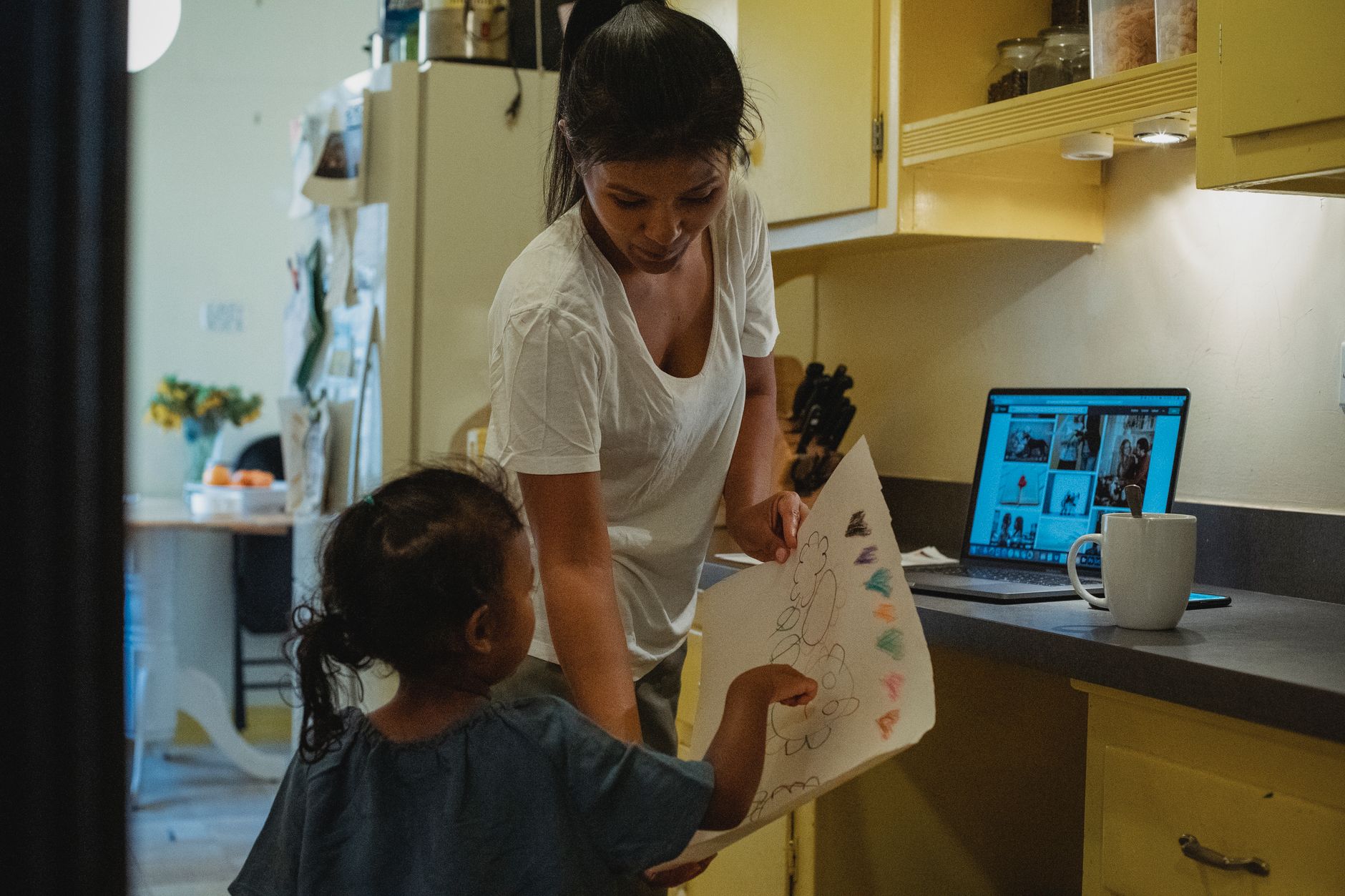
[IMAGE: alt=”Parent editing family photos on a laptop at a kitchen table” | filename=”parent-photo-editing-kitchen-table.jpg”]
My top pick based on the research: Canva for most parents, Snapseed if you want zero cost and zero fuss on your phone, and Lightroom if you’re ready to take your editing up a notch.
1. Canva (Free / Pro ~$15/mo)
What it is: A browser- and app-based design and photo editor built around drag-and-drop simplicity. It’s less a photo editor and more a creative studio — but for most parents’ actual needs, that’s exactly the right tool.
Canva consistently ranks first when non-designer parents are asked what they actually use for collages, holiday cards, school project photos, and family announcements. The template library is enormous, and the one-click background remover works well enough for most family photos without any manual masking. For more details, see our guide on protecting your family’s digital memories with backup solutions. For more details, see our guide on keeping your family safe while sharing photos online. For more details, see our guide on protecting your family’s privacy when sharing photos online.
The free tier is genuinely useful — not a stripped-down tease. You get access to thousands of templates and basic editing tools without spending anything. Canva Pro (listed at ~$14.99/mo or ~$119.99/yr as of 2024 on Canva’s site) adds the full background remover, brand kit, and premium templates.
What owners praise most: The template library and how quickly you can go from a raw photo to a shareable card or collage. Reviewers consistently mention that it “just works” for people who aren’t trying to become designers.
Honest downside from the reviews: Advanced photo retouching — blemish removal, fine color grading, exposure correction on a specific face — is weak. Canva is a design tool that handles photos, not a photo editor that handles design. If your main goal is fixing dark indoor shots or correcting skin tones, you’ll hit its ceiling fast.
Best for: Holiday cards, birthday invitations, social-ready collages, school project graphics.
[IMAGE: alt=”Canva template library showing family photo collage options” | filename=”canva-family-collage-templates.jpg”]
Key takeaway: Canva is the easiest entry point for parents who want polished-looking output fast — it’s a design tool first, photo editor second, and that distinction matters when you need more than templates.
2. Google Photos (Free with storage limits)
What it is: Cloud-based photo storage with built-in AI-powered editing. If your family is already in the Google ecosystem, it’s probably already on your phone right now.
The zero-setup friction is the whole argument here. You don’t download anything, don’t create a new account, and the AI handles a surprising amount automatically — “Best Shot” suggestions from burst photos, automatic memory collages, and basic enhance tools that genuinely improve most snapshots without any input from you.
Families sharing albums with grandparents consistently praise how easy it is. You share a link; they see the photos. No app download required on their end.
What owners praise most: The Magic Eraser (available on Pixel devices) gets called out repeatedly as a standout feature. The family sharing and album organization tools are praised for being simple enough that even less tech-comfortable relatives can navigate them.
Honest downside from the reviews: The 15GB storage cap — shared across Gmail, Drive, and Photos — frustrates anyone who shoots a lot. Reviewers who hit the limit describe the Google One upsell as annoying but necessary. Google One plans start at ~$2.99/mo for 100GB. The editing tools also feel limited for anything beyond basic adjustments; reviewers wanting more control consistently report moving to a dedicated editor.
Best for: Families who want automatic organization, easy grandparent sharing, and quick AI-enhanced edits with no learning curve.
Key takeaway: Google Photos is the best “set it and forget it” option for families already using Google — but the storage cap and shallow editing tools mean most parents eventually need something alongside it.
3. Lightroom (Mobile free / Full ~$9.99/mo)
What it is: Adobe’s consumer-friendly photo editor with professional-grade color and exposure controls. It’s the most recommended step-up tool when parents want real editing power but aren’t ready for Photoshop’s complexity.
Here’s the thing that surprised me when I dug into the reviews: non-designer parents consistently credit free preset packs (widely available on YouTube) as the reason Lightroom becomes approachable. You download a preset, tap it, and your dark birthday-party photo looks like it was taken in good light. That’s a genuinely useful shortcut. For more details, see our guide on free photo editing apps built for busy parents.
The mobile app is fast and handles RAW files from most smartphone cameras. If you ever shoot vacation photos on a real camera and want to fix exposure and skin tones without guessing, Lightroom is where parents who’ve outgrown filters land.
What owners praise most: The preset system, the mobile app speed, and the ability to make a dull indoor photo look like it was taken with intention. Reviewers who describe themselves as “not photo people” regularly say Lightroom changed how their family photos look.
Honest downside from the reviews: The monthly subscription frustrates occasional users — if you edit photos four times a year, $9.99/mo feels like a lot. Syncing issues between mobile and desktop show up in multiple review threads, with some users reporting edits not carrying over reliably.
Best for: Parents who shoot in low light often (indoor birthdays, school events), anyone with a DSLR or mirrorless camera, and people who want to actually learn how editing works.
[IMAGE: alt=”Lightroom mobile app showing before and after of a birthday party photo” | filename=”lightroom-mobile-before-after-family-photo.jpg”]
Key takeaway: Lightroom is the best tool for parents who want to move beyond filters — the subscription cost is the main friction point, but the free preset ecosystem makes the learning curve much shorter than the brand suggests.
4. Snapseed (Free)
What it is: A Google-owned mobile photo editor with a surprisingly deep toolset at zero cost. No account required, no subscription, no watermark.
For parents who want more control than Instagram filters but aren’t ready to pay a subscription, Snapseed is the honest answer. The “Selective” tool lets you brighten just one face in a group shot without affecting the whole image — which sounds like a small thing until you’ve tried to fix a photo where one kid is in shadow and the rest are perfectly lit.
What owners praise most: The Healing brush and Selective tool get called out constantly in reviews as the features that make Snapseed worth using over simpler apps. The fact that no account is required is praised specifically by privacy-conscious parents who don’t want another app with their photo library.
Honest downside from the reviews: No desktop version at all — mobile only. There’s also no built-in cloud backup or album management, so Snapseed edits your photos but doesn’t store or organize them. You’re pairing it with something else for that.
Best for: Parents who want serious editing power on their phone for free, especially for portrait fixes and selective adjustments.
Key takeaway: Snapseed is the best free mobile editor available — the Selective and Healing tools alone justify the download, and the zero-cost, no-account model is genuinely rare at this quality level.
5. Luminar Neo (~$9.95/mo or ~$99 one-time)
What it is: An AI-powered desktop photo editor marketed explicitly to non-professionals. It’s built around one-click AI tools: sky replacement, skin retouching, portrait background blur.
The pitch is “Photoshop results without the panic,” and based on what reviewers consistently say, that’s not far off — for specific use cases. If you have an outdoor family portrait where the sky is blown out or the background is distracting, Luminar Neo’s AI tools handle it in a way that would take hours of manual work in Photoshop.
The one-time license (~$99 on Skylum.com, verified 2024) is the option I’d point most parents toward over the subscription, since this is a tool most families use occasionally rather than daily.
What owners praise most: Non-designer parents in reviews describe the AI portrait tools as genuinely impressive for occasional use. The sky replacement tool is called out repeatedly as a feature that produces results that look real rather than obviously edited.
Honest downside from the reviews: Performance complaints on older Mac and Windows machines are common and consistent. Reviewers with machines more than four or five years old report sluggish AI processing times that make the tool frustrating to use. Customer support also gets poor marks across multiple review aggregators — a real concern if something goes wrong with your license.
Best for: Parents who want impressive AI edits on a newer machine and don’t want a subscription.
[IMAGE: alt=”Luminar Neo AI sky replacement tool showing outdoor family portrait before and after” | filename=”luminar-neo-ai-sky-replacement-family-portrait.jpg”]
Key takeaway: Luminar Neo’s AI tools are genuinely impressive for non-designers, but check your machine’s specs before buying — the performance complaints on older hardware are too consistent to ignore.
6. Photoshop Elements (~$99.99 one-time)
What it is: Adobe’s consumer version of Photoshop, built specifically for hobbyist photographers and families. One-time purchase, no subscription, and a “Guided Edits” mode that walks non-designers through complex edits step by step.
If you’ve been burned by subscription fatigue and want a permanent tool that lives on your computer, Elements is the answer. Long-time owners consistently praise the Guided Edits mode as the best on-ramp for non-designers — it literally walks you through removing a background, adding text to a photo, or creating a scrapbook page without requiring you to know what a layer mask is.
The organizer tool for large family photo libraries also gets strong marks from parents who have years of photos scattered across folders and devices.
What owners praise most: The guided editing workflow and the one-time pricing model. Reviewers who’ve used it for years describe it as the tool they come back to for annual projects like holiday cards and photo books.
Honest downside from the reviews: The interface feels dated compared to newer AI-first tools like Luminar Neo. There’s no mobile companion app, which is a real gap when most family photos now live on phones. Annual paid upgrades also frustrate some owners who feel pressured to keep paying to stay current.
Best for: Parents who want a permanent offline tool for scrapbooks, photo books, and annual holiday card projects and don’t want to think about subscriptions.
Key takeaway: Photoshop Elements is the right pick for parents who want a one-time purchase and guided editing — the dated interface is a real tradeoff, but the Guided Edits mode is genuinely the best learning tool in this category.
7. PicsArt (Free / Gold ~$4.66/mo)
What it is: A mobile-first creative editor with a social community, sticker packs, collage tools, and AI effects. It’s the most popular option among parents editing photos for Instagram and TikTok.
The template library for kids’ birthday posts, school announcements, and social content is huge. PicsArt Gold (around $4.66/mo on an annual plan) is praised in reviews as genuinely affordable for the feature set you get.
What owners praise most: The fun factor and creative tools that kids can actually participate in. Reviewers love the sticker packs and text overlay tools for social content specifically.
Honest downside from the reviews: The free tier is heavily watermarked and ad-heavy — reviewers consistently describe it as unusable for anything you’d actually share. The open social community is also flagged by multiple parents as not appropriate for young children using the app independently, which is worth knowing before you hand it to a kid.
Best for: Parents creating social media content, fun edits, and quick collages for Instagram or TikTok.
Key takeaway: PicsArt is the best option for social-media-focused editing, but the free tier’s watermarks make the Gold subscription basically required — and the open social community needs a parent’s eye if younger kids are involved.
What do real parents actually complain about with photo editing apps?
After reading through hundreds of reviews across these seven tools, a few complaints come up over and over regardless of which app people are using.
- Subscription fatigue is real. Parents who pay for Lightroom, Canva Pro, and cloud storage simultaneously regularly describe feeling nickel-and-dimed. The tools that offer a one-time purchase (Elements, Luminar Neo) get credit for this even when the software itself has other weaknesses.
- Mobile vs. desktop gaps frustrate people. Snapseed is mobile-only. Elements has no mobile app. Even Lightroom’s sync between devices has documented issues. Parents who switch between their phone and laptop for editing consistently hit these walls.
- AI tools are impressive until they’re not. Reviewers love one-click AI edits right up until the AI makes a weird decision — removing the wrong element, creating a fake-looking sky, or smoothing skin into a plastic finish. The consensus: AI tools are great for 80% of photos and frustrating for the other 20%.
- Storage is always the hidden cost. Google Photos’ 15GB cap, iCloud limits, and Adobe’s cloud storage tiers all show up in reviews as unexpected friction. Factor in storage costs when you’re comparing “free” tools.
[IMAGE: alt=”Comparison chart of photo editing apps for parents showing pricing and key features” | filename=”photo-editing-apps-parents-comparison-chart.jpg”]
Quick comparison: which app for which situation?
| Tool | Best for | Price | Mobile / Desktop |
|---|---|---|---|
| Canva | Cards, collages, social graphics | Free / ~$15/mo | Both |
| Google Photos | Auto-organize, family sharing | Free / ~$3/mo+ | Both |
| Lightroom | Color + exposure correction | ~$9.99/mo | Both |
| Snapseed | Free mobile portrait fixes | Free | Mobile only |
| Luminar Neo | AI portrait + sky edits | ~$99 one-time | Desktop only |
| Photoshop Elements | Guided edits, photo books | ~$99.99 one-time | Desktop only |
| PicsArt | Social content, fun edits | Free / ~$4.66/mo | Mobile only |
Frequently asked questions
What is the easiest photo editing app for someone with no design experience?
Canva is consistently the easiest entry point for non-designers. Its drag-and-drop interface, template library, and one-click tools require no prior knowledge, and the free tier is genuinely functional. For mobile-only editing with more photo-specific tools, Snapseed is the easiest free option.
Is Lightroom worth it if I only edit photos occasionally?
Probably not at $9.99/mo for occasional use. The free mobile version of Lightroom covers basic editing without a subscription. If you find yourself using it regularly, the paid plan becomes easier to justify — but for a few edits a month, Snapseed or the free Canva tier covers most needs without the ongoing cost.
Which photo editing tool is best for fixing dark indoor birthday photos?
Lightroom handles this better than anything else on this list. The exposure, shadows, and highlights controls are designed exactly for this situation, and free preset packs available on YouTube make the correction process fast even for beginners. Snapseed’s selective brightness tool is a solid free alternative for mobile.
Are there any photo editing apps that are safe for kids to use independently?
Snapseed and Canva are the safest options for younger users — neither has an open social community. PicsArt’s community features are flagged in multiple reviews as not appropriate for young children using the app without supervision.
What’s the difference between Photoshop and Photoshop Elements?
Photoshop Elements is Adobe’s consumer-focused version of Photoshop, designed for hobbyist photographers and families. It includes a “Guided Edits” mode that walks non-designers through complex edits step by step, costs around $99.99 as a one-time purchase, and skips the advanced professional tools most parents will never use. Full Photoshop is a subscription-based professional tool with a much steeper learning curve and a price point that doesn’t make sense for family photo editing.
My honest take after going through all of this: most parents need two tools, not one. Start with Canva or Google Photos for organization and quick social-ready edits, then add Snapseed (free) for portrait fixes on your phone. If you find yourself wanting more, Lightroom is the natural next step. The one-time-purchase crowd should look at Photoshop Elements before Luminar Neo — the Guided Edits mode is genuinely better for learning, and the performance complaints on Luminar Neo are too consistent to dismiss.
You don’t need to spend a lot to make your family photos look good. You mostly need to stop using the default camera app’s built-in filter and spend ten minutes with the right tool.
About the Author
Elena Mitchell
Elena Mitchell is a 42-year-old mom of two teens living in Tampa Bay, Florida. She has always been the friend everyone asks "what should I buy?" — Elena Reviews It is where she finally writes those recommendations down. Honest reviews of kitchen tools, home and beauty products, kids and family gear, and the occasional tech tool, all tested in a real household for at least two weeks before a word gets written.